
|
Previous & current Newsletters in pdf |
|---|
Welcome to the NBRS Winter 2026 Newsletter
We had a busy time earlier this year. Since the war in Iran, it has slowed down. We have paid 305 airfares in the last 6 months.
We passed a milestone last month assisting our 10,000 person. Since the Northern Beaches Refugee Sanctuary welcomed its first family in June 2003, we have now helped 10,044 people of 50 different nationalities. Thank you to all those who have supported us over this time. I asked Neilab to write a piece for the newsletter about how we have helped.
A family of seventeen, finally safe.
In August 2021, when the Taliban returned to power in Afghanistan, my family had no choice but to flee. Several of them had worked with the Revolutionary Association of the Women of Afghanistan (RAWA), an organisation the Taliban targets. Others had served in the Afghan army or worked directly alongside NATO, Australian and US forces. Under the new regime, they were not civilians caught up in upheaval – they were targets. For the next four and a half years, seventeen of my aunts, uncles, cousins and their children lived in limbo in Pakistan, displaced and waiting. From Sydney, we did everything we could: advocacy, ministerial letters, visa application after visa application and thousands of emails. In September 2025 the first visa approvals came through, with more in December and the last in January 2026.
I will never forget the relief of those visa emails. But I will also never forget the dread that followed: as I sat down to organise the flights, I realised I simply did not have the money. After years of trying to support them through their limbo in Pakistan, seventeen airfares was a sum so far beyond what we could manage that, for a moment, the joy collapsed into panic.
That is where David and Northern Beaches Refugee Sanctuary (NBRS) stepped in. The loan of $2,000 per person – which covered every single one of my seventeen family members - is, quite simply, the reason they are here today. And the timing was everything. The last group arrived in January 2026. Just weeks later, airstrikes and cross-border fighting erupted between Pakistan and Afghanistan. If we had delayed even slightly, they would have been caught in the middle of it.
Since their arrival, every day has brought new "firsts": sleeping on a proper mattress, riding the Sydney Metro, the sheer terror of my aunts the first time they encountered an escalator (which was quite hilarious for my mum and I to witness… let's just say they will be sticking to lifts for a little while). Four-year-old Raika has started kindy. Arman, in Year 6, recently won an award at his school assembly – when his name was called, the principal invited his mum onto the stage, and the hall erupted into clapping and cheering. The older boys are learning English at TAFE and juggling casual shifts at the local takeaway shop.
The deeper changes run further. For the first time in their lives, my two widowed aunts are receiving their own income, in bank accounts that are in their own names. They are being spoken to and asked what they want – rather than having decisions made on their behalf. My 16-year-old cousin, who is a person with disability, has enrolled in school for the very first time in her life. In Afghanistan, she had been repeatedly turned away by teachers who refused to teach her. In an Australian classroom, she is included, supported and finally a student.
All the girls and women in our family are back in classrooms for the first time in almost five years. Under the Taliban, secondary schools and universities have been closed to Afghan women and girls for more than 1,700 days and counting. For an Afghan woman to sit in an Australian classroom again, pen in hand, is an act of resistance.
Twenty-six years ago, my mother came to Australia on a partner visa after marrying my dad. I was born here, at Royal North Shore Hospital, and won the lottery of birth. I went to public schools in Ryde, completed degrees at Macquarie University, and built a career – first at the Australian Human Rights Commission and now at the NSW Department of Education. I drive a white Mazda 3. I go to the movies. I go out with friends. I go to soccer on the weekend. I dress how I like. I am free to date and marry whoever I choose. These are all ordinary things – and all things Afghan women cannot do, things my cousins in Afghanistan always struggled to do safely, and things they would have lost entirely had they remained. If anything, they would have been persecuted for it.
Shazia, in particular, went to university in Kabul knowing a suicide bomber might be in the next building, that the walk home might be her last. She also led vocational training programs for women through the Support Association for Afghan Women Australia (SAWA). When the Taliban returned, her work made her a specific target and she would receive daily summons letters. Watching Shazia live safely in Australia now is something I will never take for granted.
To David, NBRS, and every donor who made this loan program possible: thank you. From all seventeen of us, and from me especially – your support has not only paid for airfares; it has reunited a family after almost 3 decades, kept loved ones out of harm’s way, and given a generation of children and young people the chance to study, work, dream, and simply be safe.
With love and gratitude,
Neilab
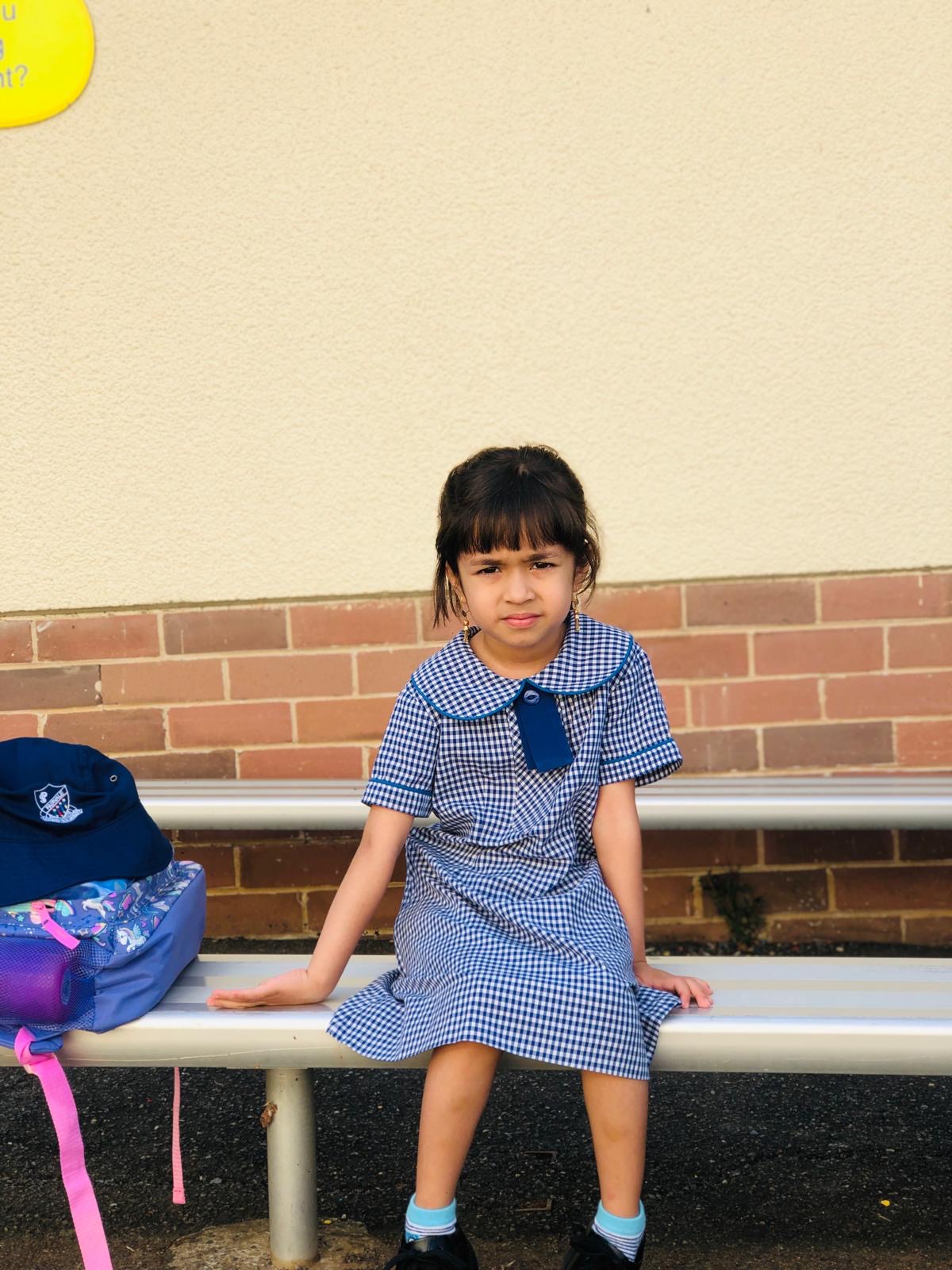
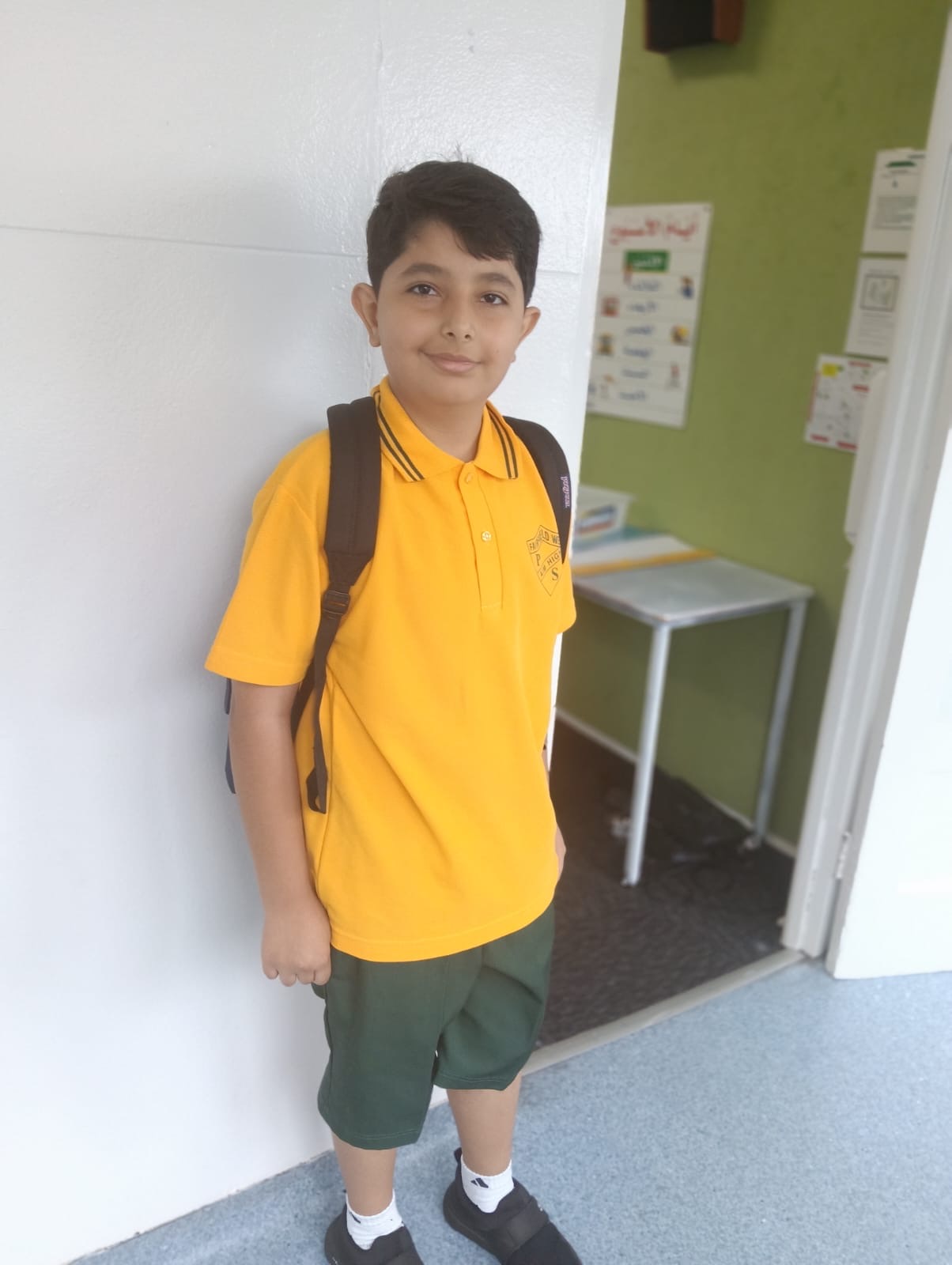
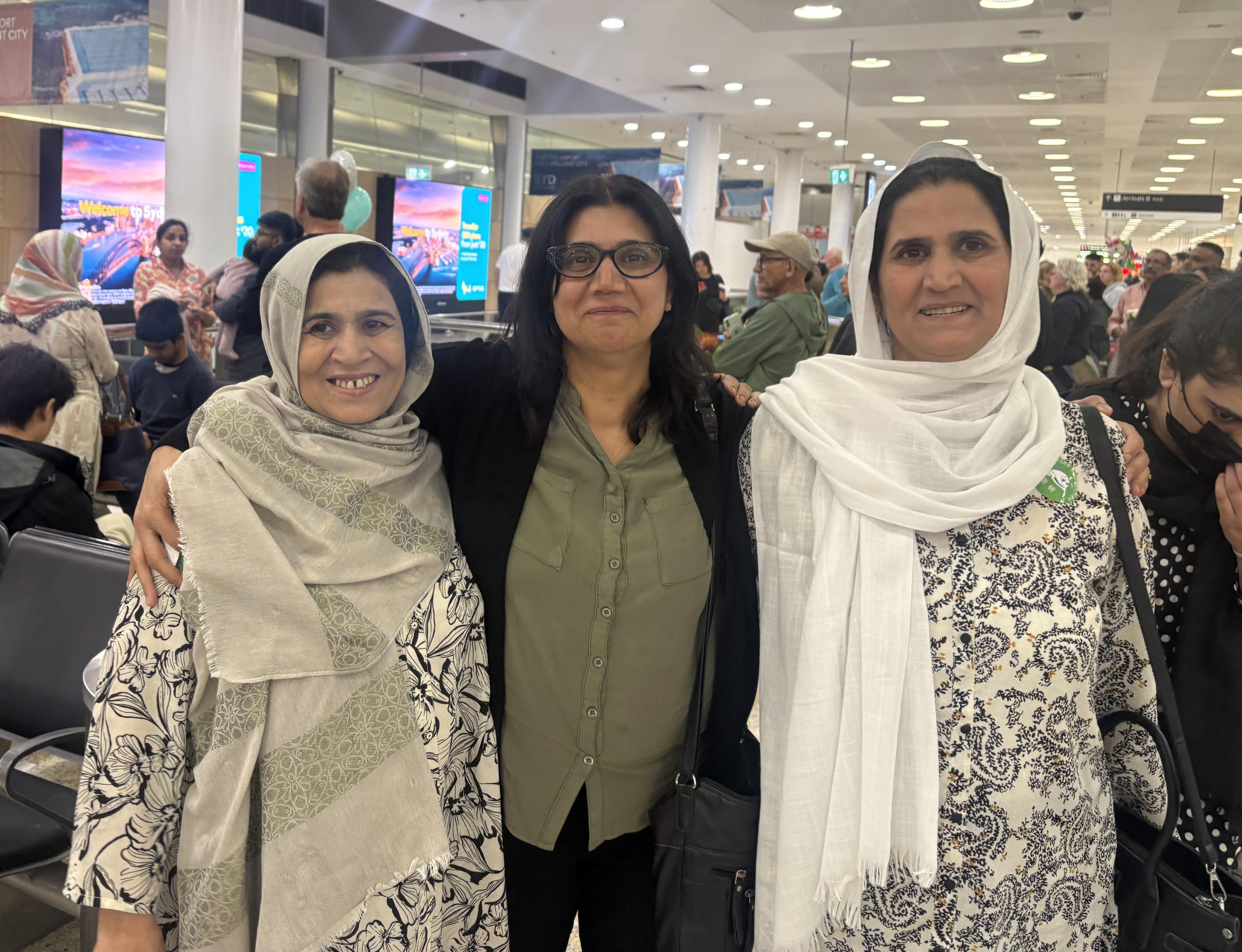
two of her sisters after 27 years at Sydney airport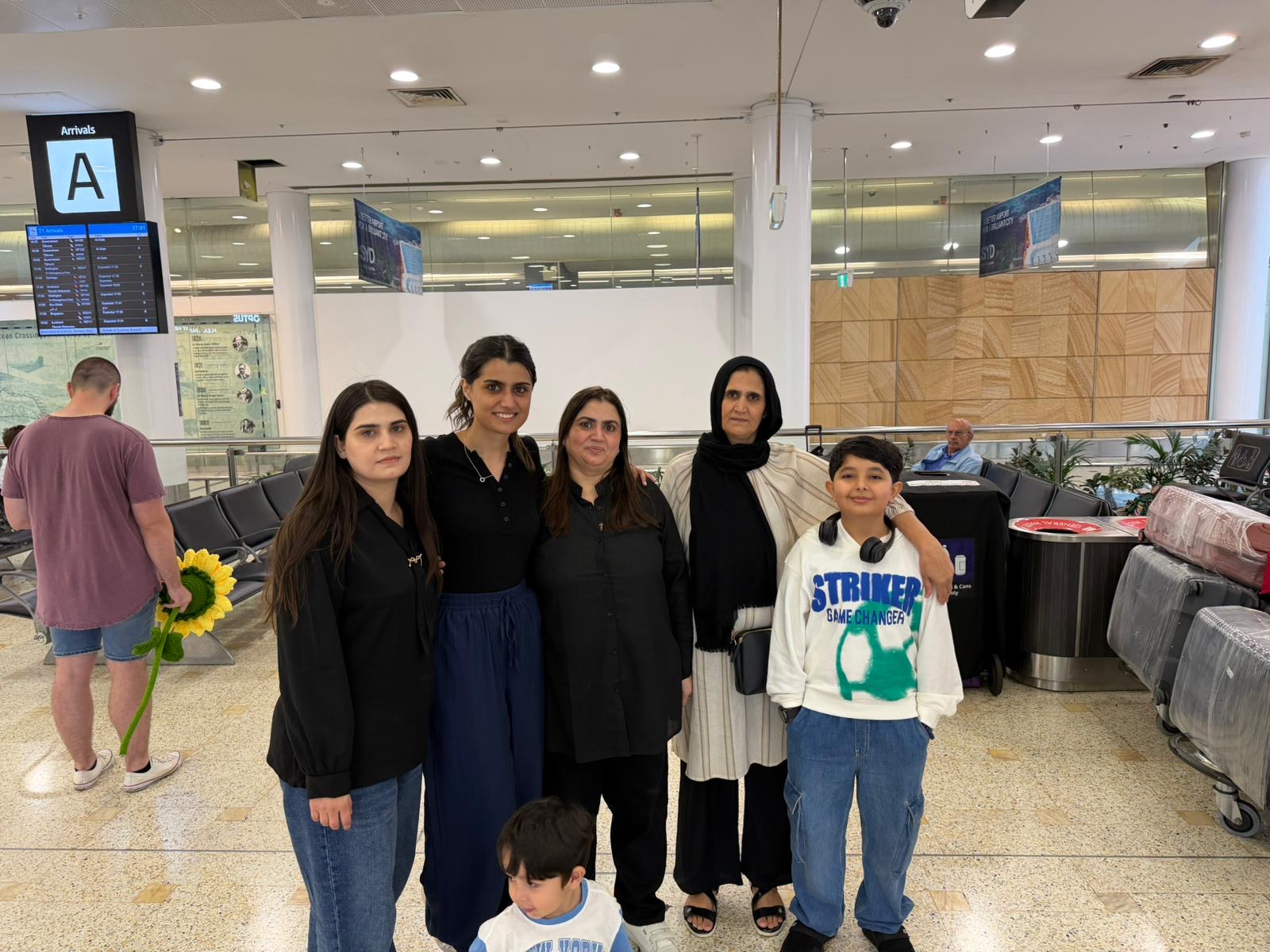
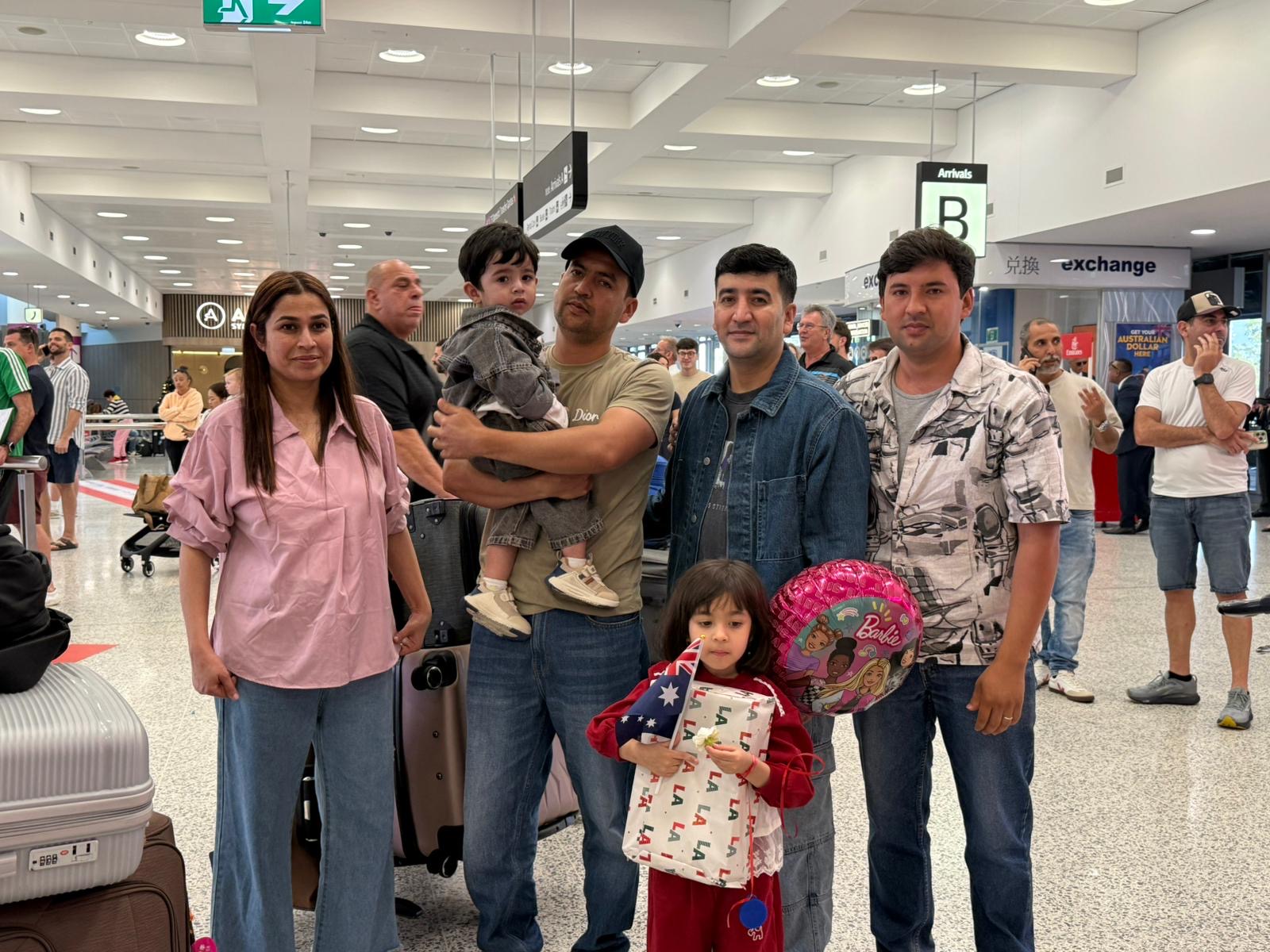
We are actively seeking donations.
If you would like to support our work, please consider making a contribution to our account.
The Northern Beaches Refugee Sanctuary Ltd
Commonwealth bankBSB 062197
Account 10993154
Reference “your name”
Please email nbrs@optus.com.au your details so that I can email you a tax receipt.
If you no longer want to receive this newsletter, can you reply with unsubscribe
David Addington
13/05/2026